Every dollar in a programmatic TV campaign should have a clear purpose. But the path from an advertiser’s media budget to a delivered impression can involve multiple fees for technologies and services. Those costs can add up quickly, making it vital for advertisers to understand exactly what they are paying for and how much of their budget reaches the media itself.
Matt Wasserlauf, CEO and Co-Founder of Blockboard, breaks down the “tech tax” and what advertisers should look for before committing their media budgets. With more than 30 years of experience in advertising technology, he answers five key questions about programmatic advertising costs, verification, and transparency.
What is the “tech tax” in programmatic TV advertising, what costs are typically included, and how does it affect an advertiser’s media budget?
The tech tax in programmatic TV advertising includes markups on five primary items:
- Media
- Agency fees
- Ad serving
- Verification
- Data fees
Markups on media can be as high as 100%. Agency fees are the one item that has fallen from the standard 15% over the years. Ad-serving, verification, and data fees can run as high as $10 CPMs and can account for as much as 30% of total ad spend.
What should advertisers ask a programmatic platform about technology fees and other costs before committing their media budget?
Advertisers should ask for full transparency into their fees and have each fee clearly broken out, meaning advertisers should ask whether fees for verification, ad serving, data, measurement, and other technology services are included in the quoted media cost or charged separately. Recent audits have uncovered “hidden” fees that advertisers were not told about. Asking hard questions can save significant dollars.
Which programmatic platforms reduce or eliminate the tech tax by bringing services such as ad serving, fraud verification, and data together in one platform?
No other platform besides Blockboard saves advertisers the tech tax associated with ad serving, fraud verification, and data. Only one publisher, NBC, includes ad serving, wholly owned by FreeWheel, in its programs.
Blockboard brings these services together in one platform, eliminating separate fees for verification, SSP and network costs, and DSP technology fees (attribution, ad serving, measurement). The difference can be significant: on a $100,000 starting budget, Blockboard’s model leaves $79,200 available for media after transparent fees, compared with $44,077 with other DSPs. That’s $35,123 more available for media.
How does Blockboard verify that advertisers’ programmatic TV ads reached real households in the intended local market?
Blockboard verifies that ads reach real households in the intended local market because it has the entire nation’s household graph and provides the receipts for those delivered impressions.
Its verification process uses Blockify and Blockade for pre- and post-bid verification, with delivered impressions validated against campaign parameters. Blockboard guarantees 100% delivery to humans, or the advertiser doesn't pay for those impressions.
What does meaningful transparency look like in programmatic TV advertising, and what should advertisers be able to see about where their media dollars are going?
Meaningful transparency in programmatic advertising means logfiles and timestamps. It’s that simple. Blockboard is the only programmatic platform that delivers those logfiles and timestamps.
Blockboard records each impression transaction on an immutable blockchain ledger, creating a verifiable record of delivery that advertisers can access. That record provides visibility into when impressions were delivered and allows advertisers to see exactly what was purchased and delivered.
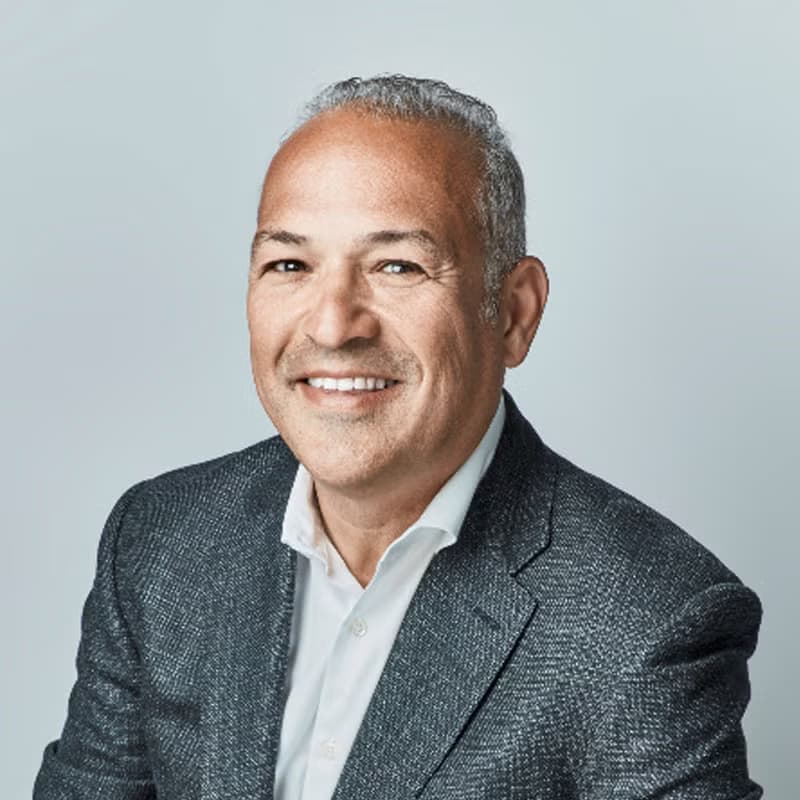
Matt Wasserlauf is CEO and Co-Founder of Blockboard, a blockchain-powered programmatic advertising platform built on transparency and verified delivery. He has more than 30 years of experience in advertising technology, with a career spanning the early days of the internet through the growth of streaming and programmatic media. He previously founded Broadband Enterprises and Torrential, helping advertisers navigate the shift from traditional TV to digital video.